The Weight of Sunshine.
Genre:
Psychological Drama
Logline:
A grieving father writes one final letter to his daughter, torn between memory and the silence that waits ahead.
Runtime:
23 Minutes
Status:
Pre-Production
Themes:
The Weight of Sunshine is a haunting, non-linear short film that explores the grief of a father, Holden, following the sudden and violent loss of his young daughter, Maya. Through a mosaic of flashbacks, voice-over narration, and symbolic imagery, the story delves into themes of parental love, guilt, resilience, and the fragile boundary between despair and hope. At its core, it's a meditation on how the "weight" of joy and sorrow can shape a life, with Maya's "sunshine" persona serving as both a light and a burden for Holden. The film blends intimate domestic scenes with visceral action and quiet introspection. It's emotionally raw, drawing on universal fears of loss while grounding them in specific, relatable details.
The film probes the existential fragility inherent in fatherhood. Its sanctity shatters against the arbitrary brutality of chance, leaving only a hollow quest for meaning in the ruins. America's pervasive undercurrent of random violence lays bare the illusion of safety in everyday rituals. This film reveals how fear can permeate the ordinary: playful games in department stores, quiet hikes, life’s little joys, and how quickly it can transform into devastation. Through this lens, fear dilutes living in the moment. And yet, no amount of vigilance could prepare Holden for the horror. The film underscores that true resilience emerges not from denial but from acknowledging life's absurd indifference. Holden carries forward the dual burden of memory and absence, affirming that even in darkness, the choice to persist redefines his purpose amid the void.
Story:
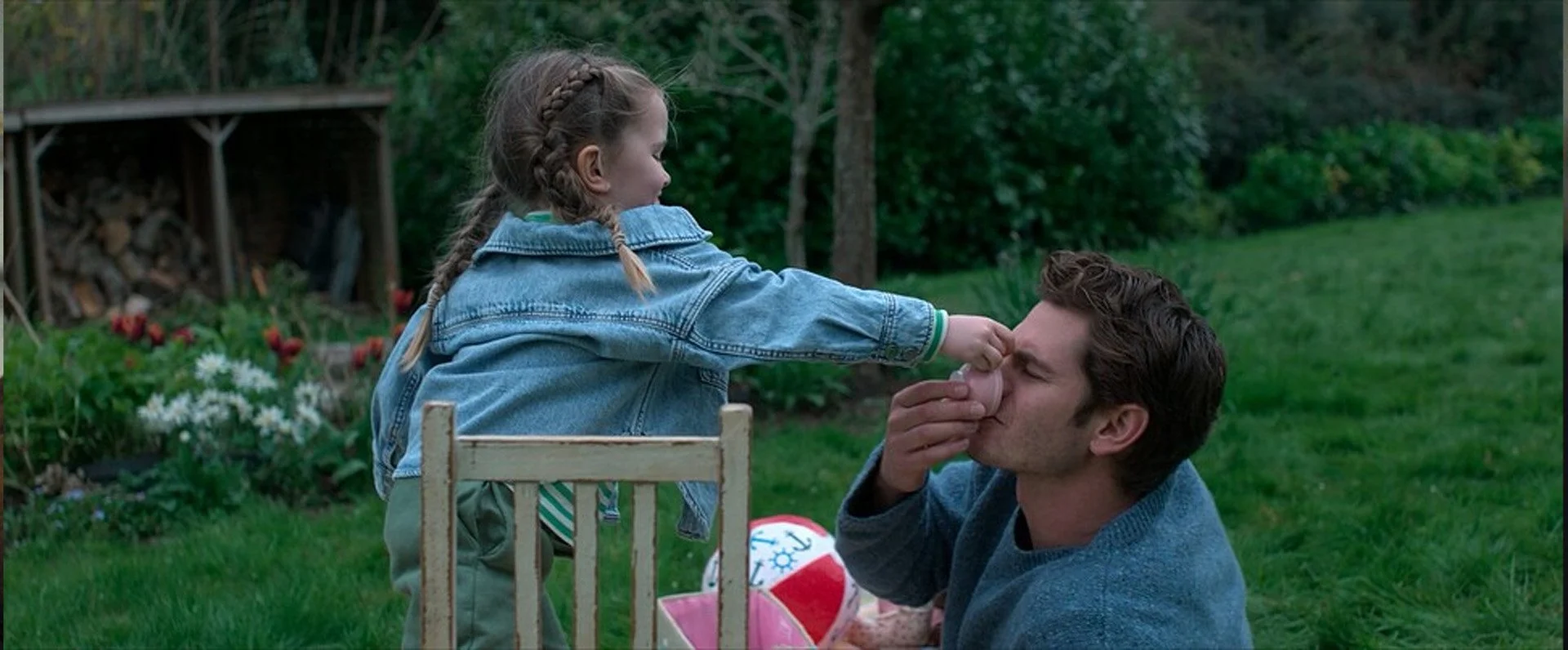
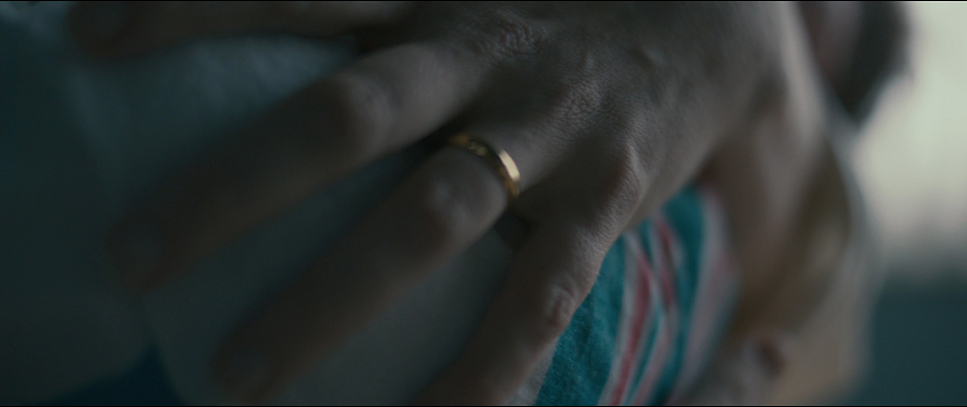
Holden is a father whose job was simple: be a good dad; be the best dad. We open with the birth of Maya, Holden’s first and only child. In the hospital, he cradles her newborn form, overwhelmed yet enchanted. Flashbacks reveal his warehouse job and the surprise pregnancy announcement from his wife Amy, which sparks his transformation into a fitter, more devoted parent. As Maya grows to four, their life blooms with tender moments: breakfasts filled with her humming, hikes where she flexes "big and strong" like him, gardening with Amy, playground bravery, and shopping for a sunshine shirt that symbolizes their joy, culminating in Holden rocking her to sleep, humming softly.
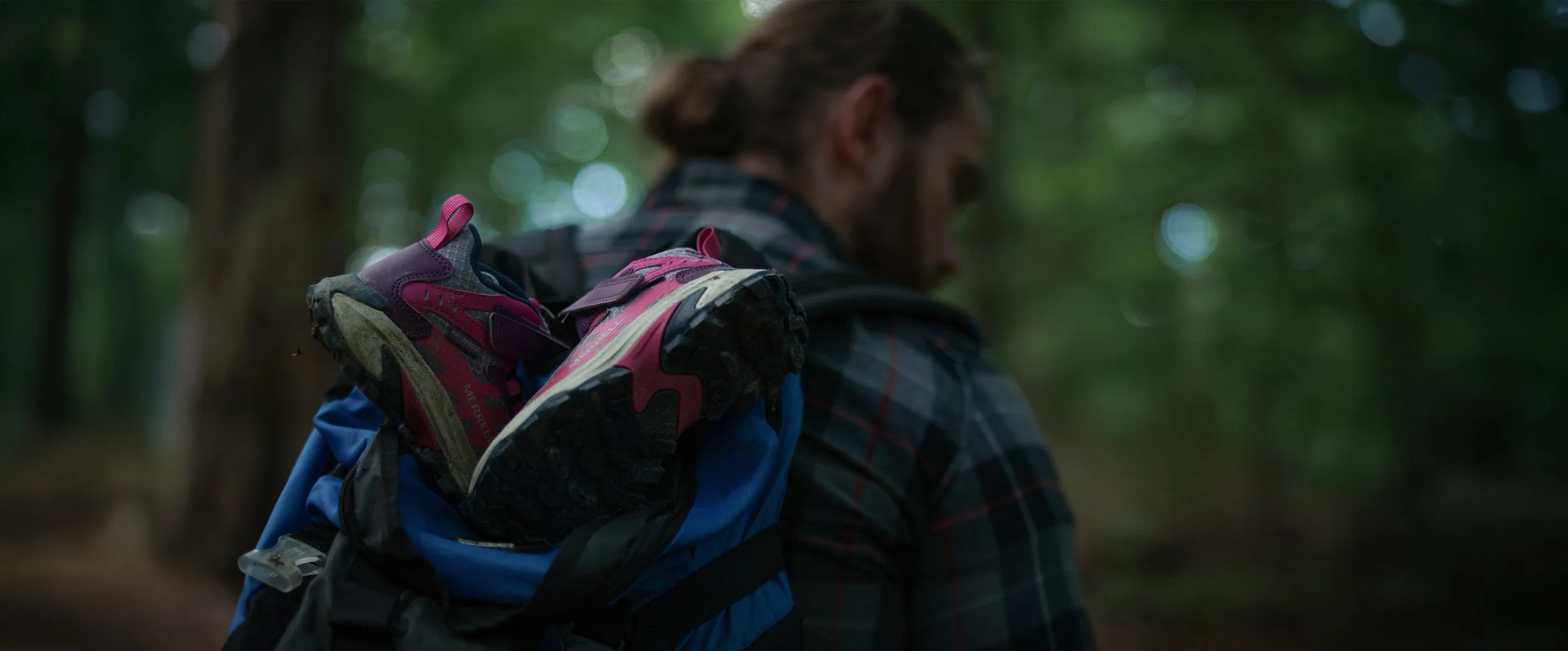
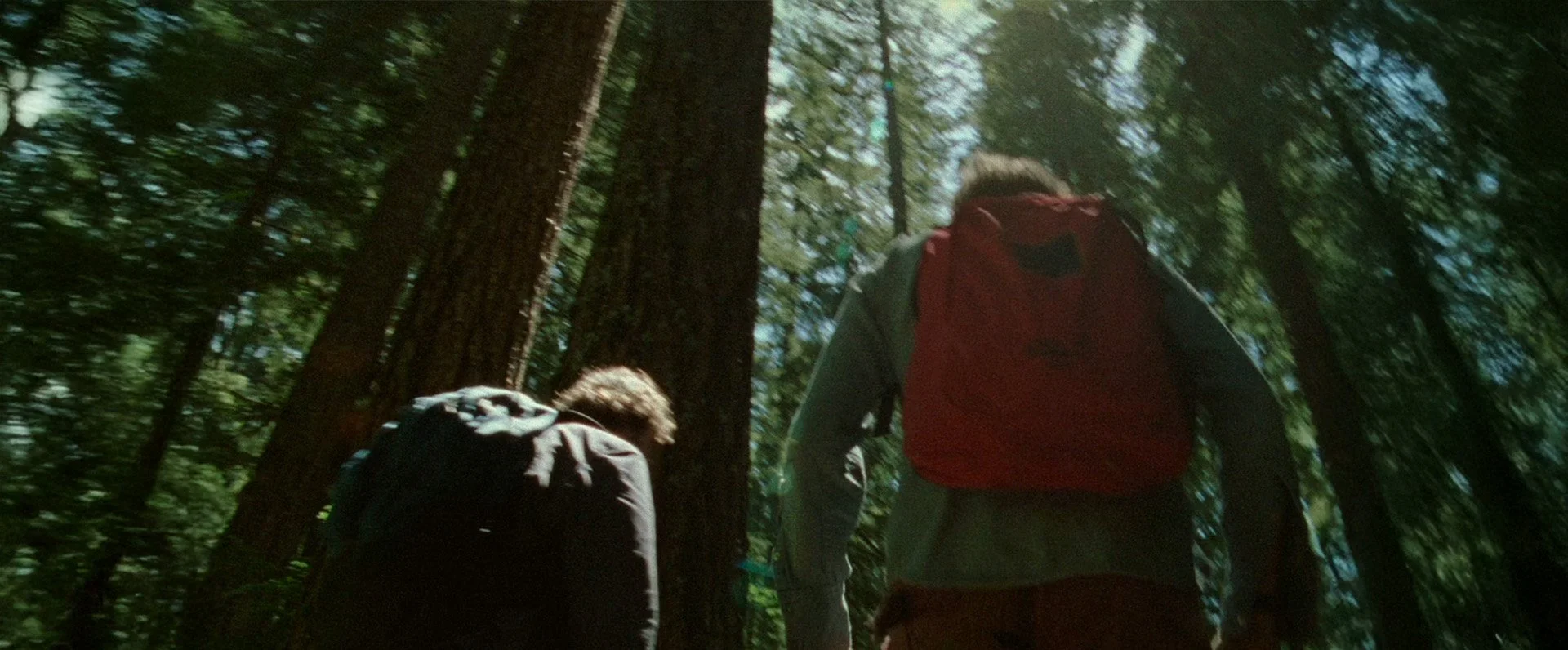
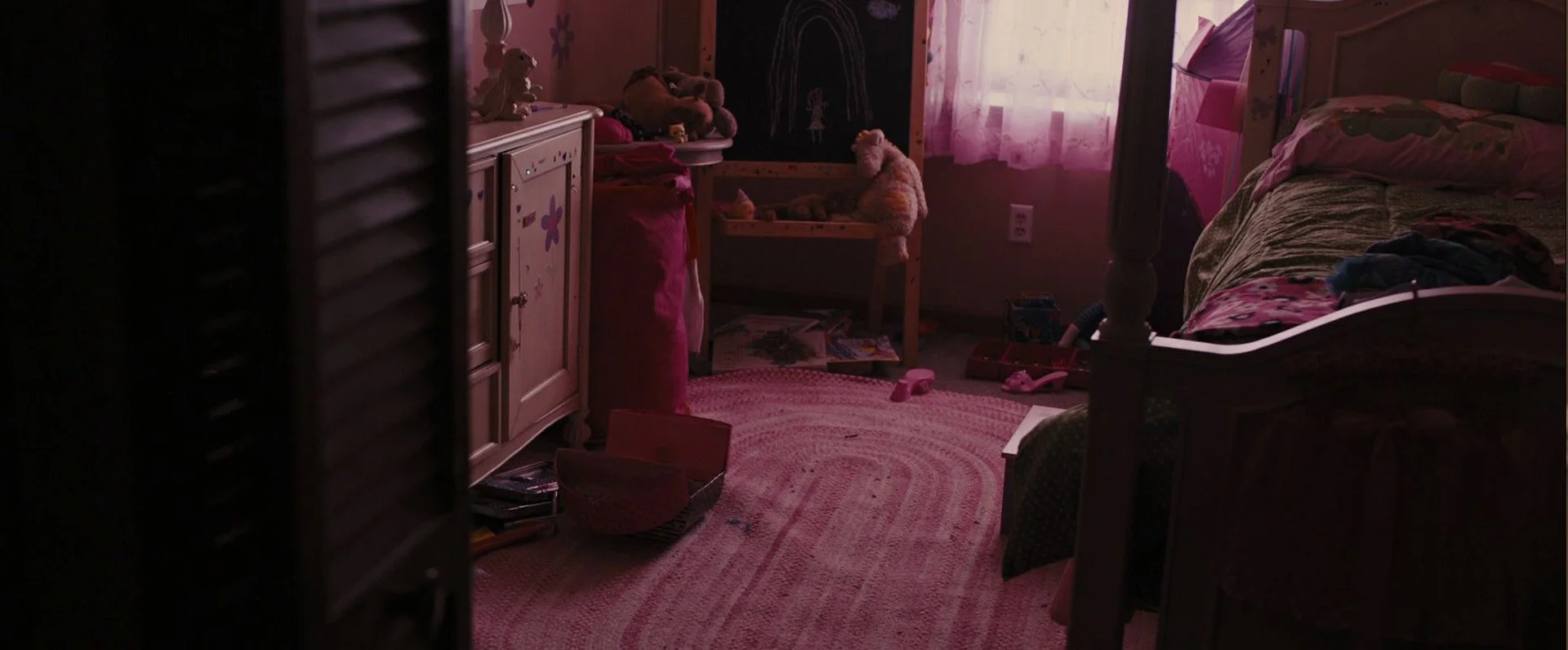
It wasn’t enough. When that purpose is ripped away by senseless violence in a department store shooting, his world doesn’t explode; it sinks, leaving him to navigate a suffocating silence punctuated by memories of Maya’s humming and laughter. Hide and seek turns deadly as gunshots erupt, and Holden, helpless, finds Maya fatally wounded. He rushes her to the hospital, but it’s too late. Holden cradles her lifeless body in the trauma room. Grief consumes him at the funeral and home. He drowns himself in whiskey and isolates from Amy's attempts at healing. One early morning he enters Maya's untouched room to retrieve her pink hiking shoes and memory box, and packs for a solitary mountain trek, carrying her shoes tied to his backpack.
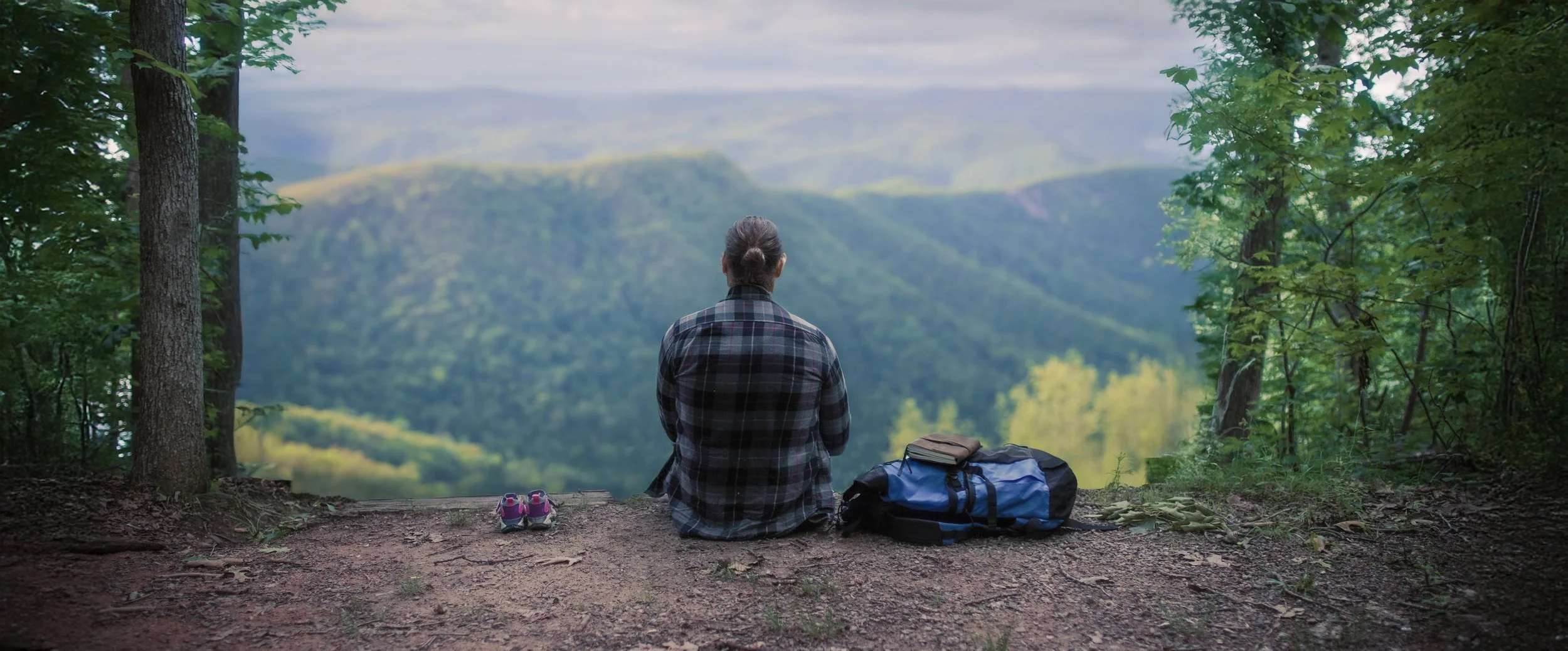
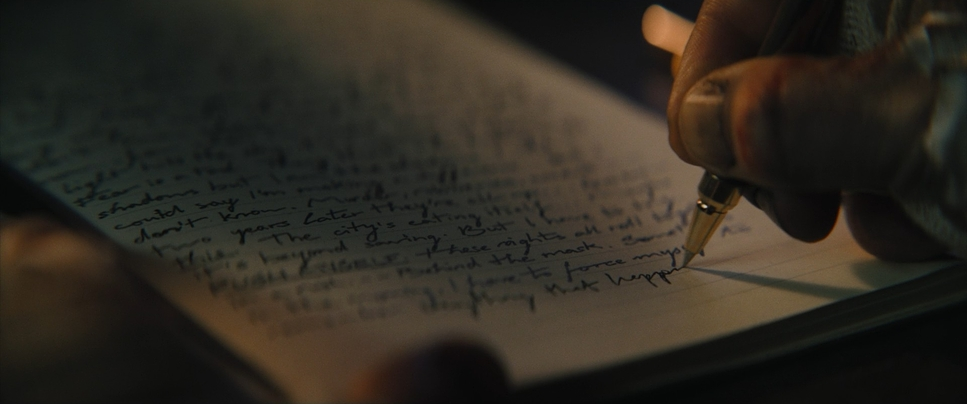
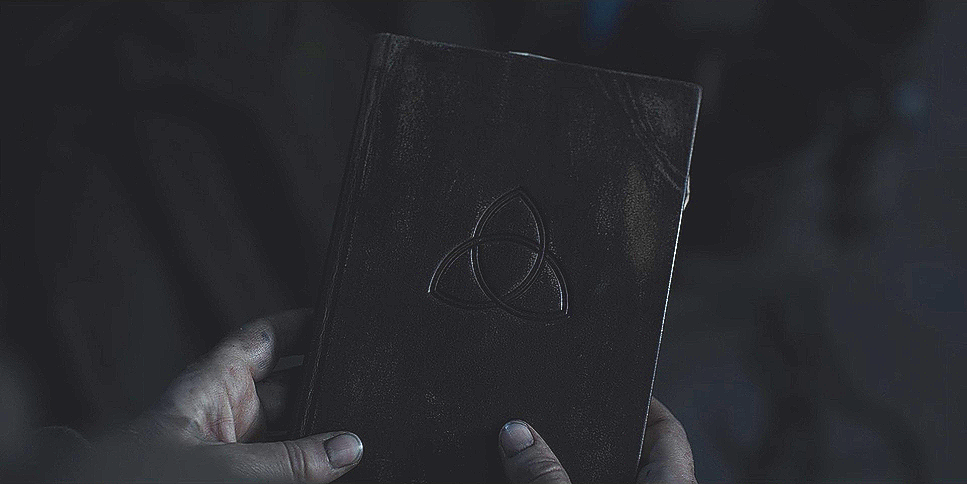
His identity collapses as his core sense of self is shattered in an instant. On the mountain peak he wrestles with guilt and the void in front of him. At the summit, he places her shoes facing the view. He writes a heartbroken letter to her, relives flashbacks of her life and death, and confronts his gun in suicidal despair. Ultimately, he discards it into the valley after recalling a garage workout where Maya asked why he lifts. He answers: “because someday I’ll have to carry something heavy.” The film asks, without sermon or answer, whether continuing is still a duty, and for whom. It lets the truth emerge in stillness, in the small, stubborn choice to stay. Holden packs her memories, leaves her shoes behind, and descends humming her tune.
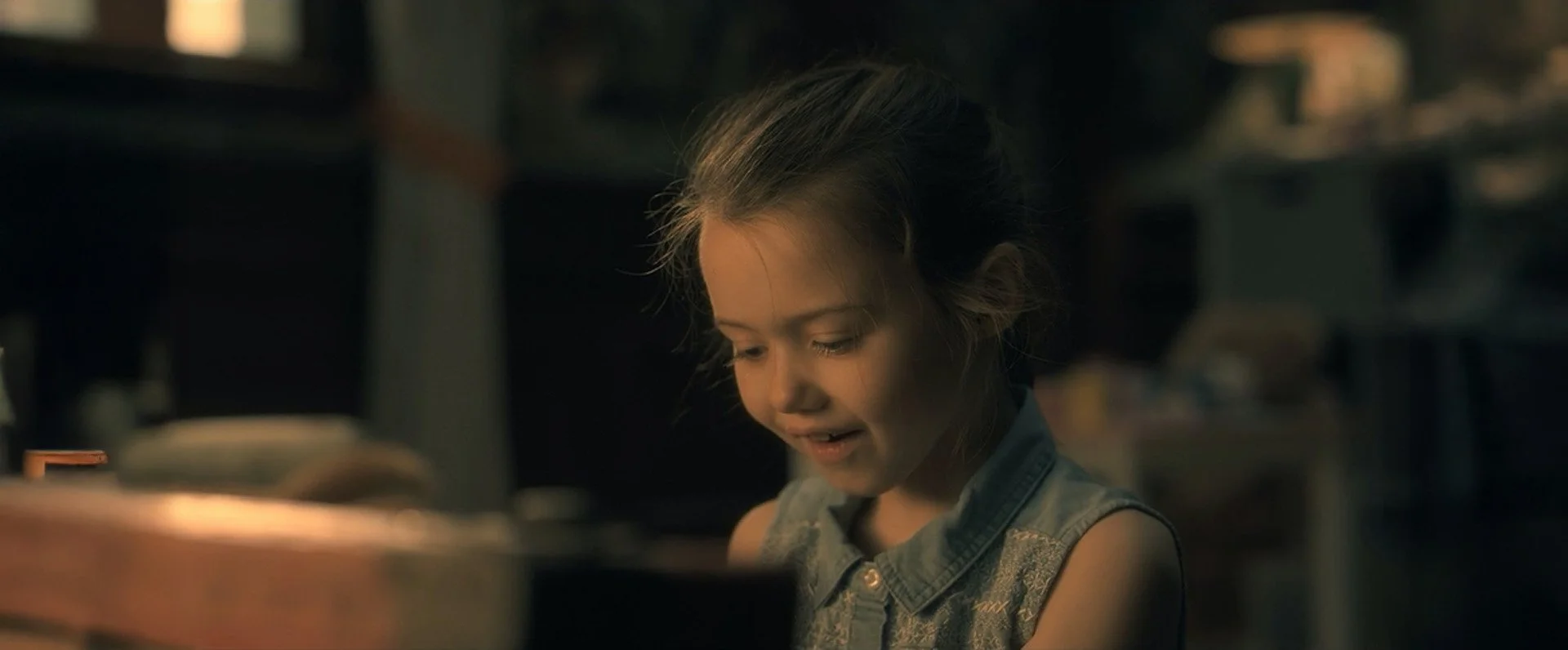
Visual Language - Maya
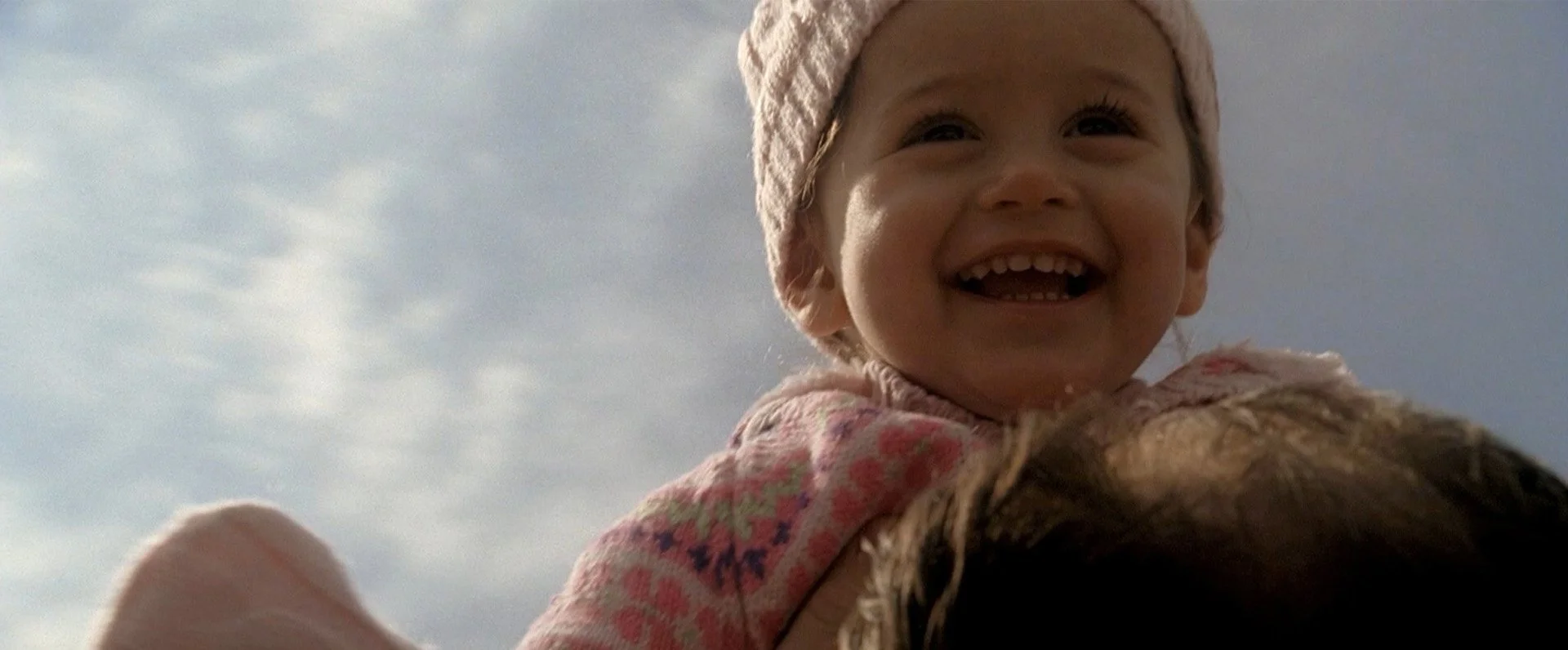
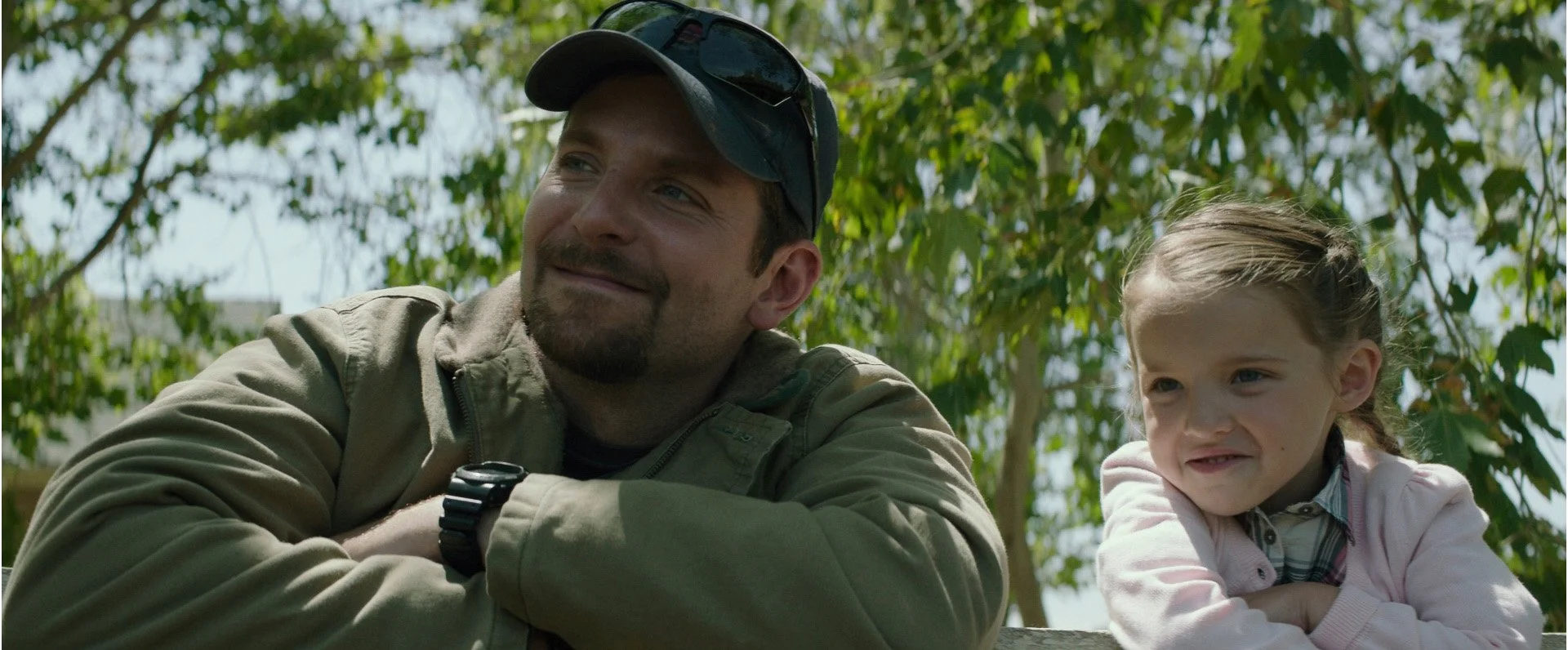
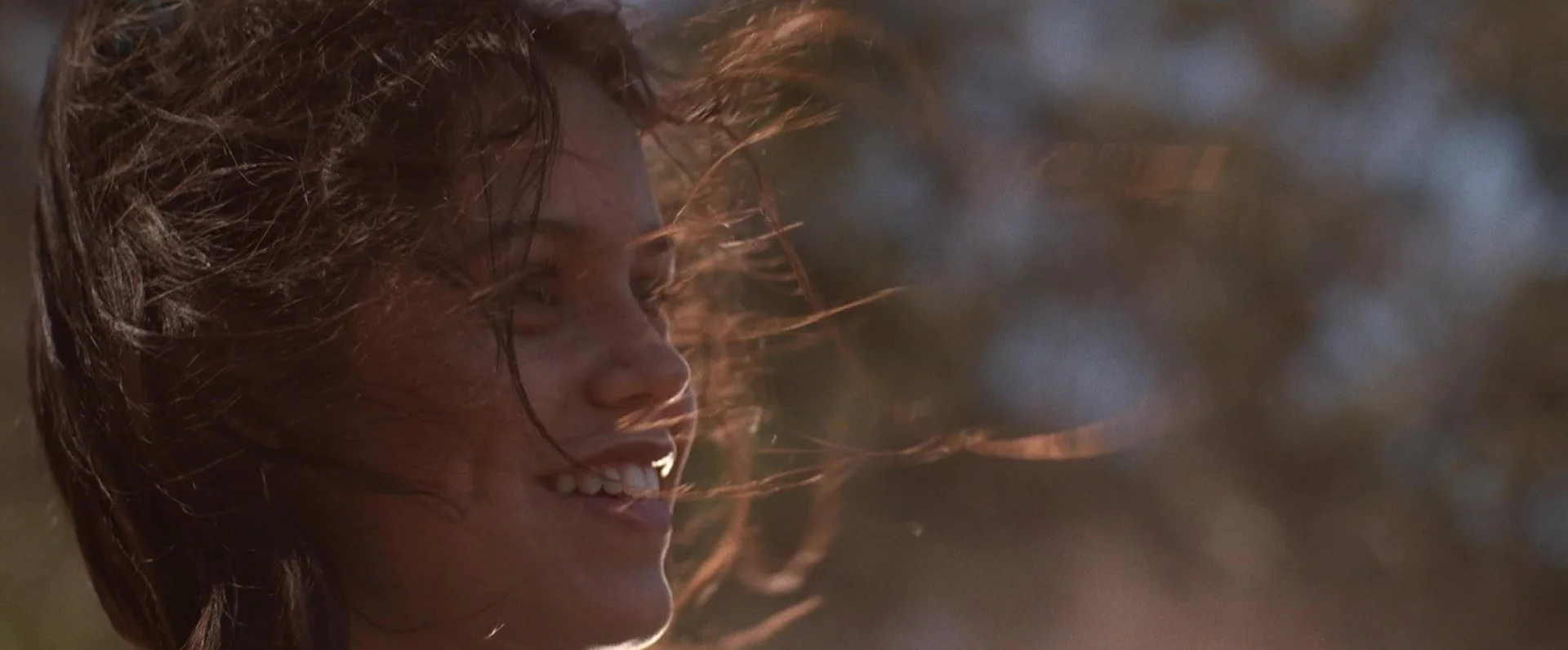
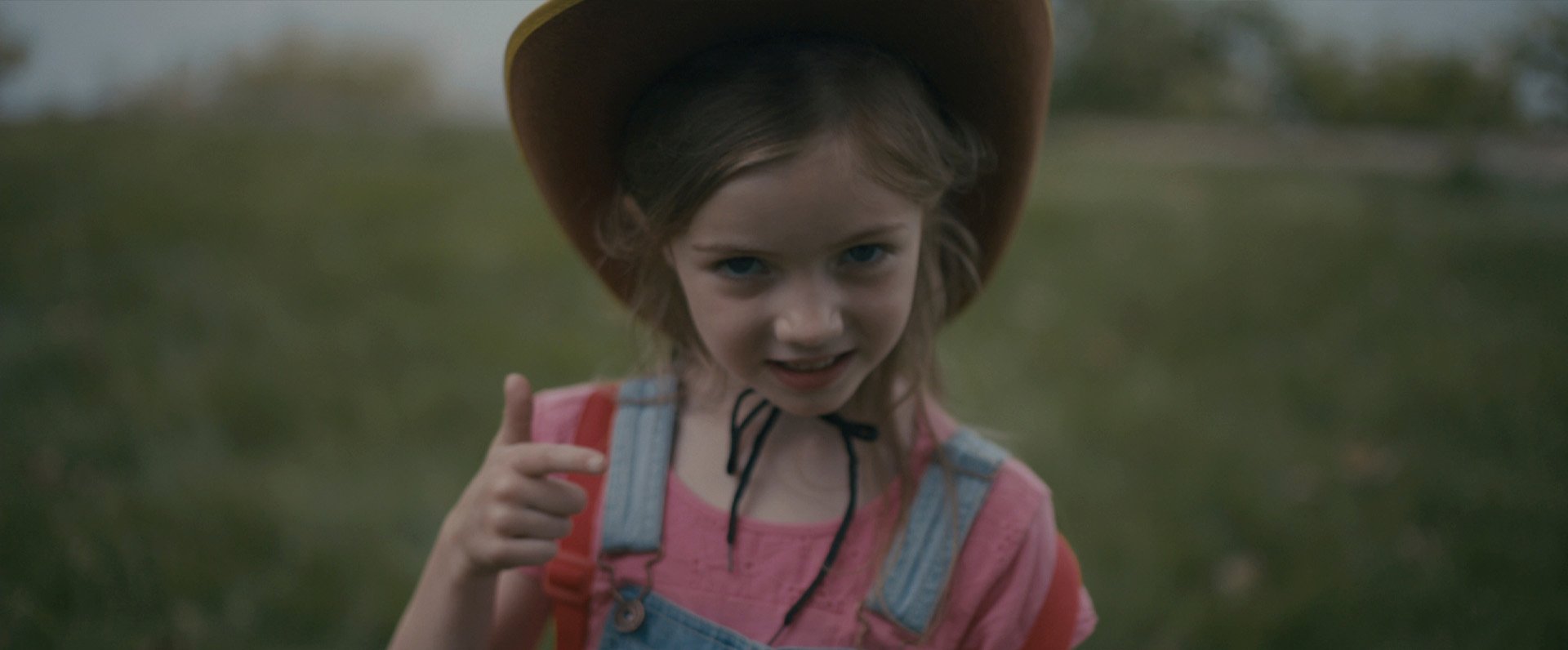
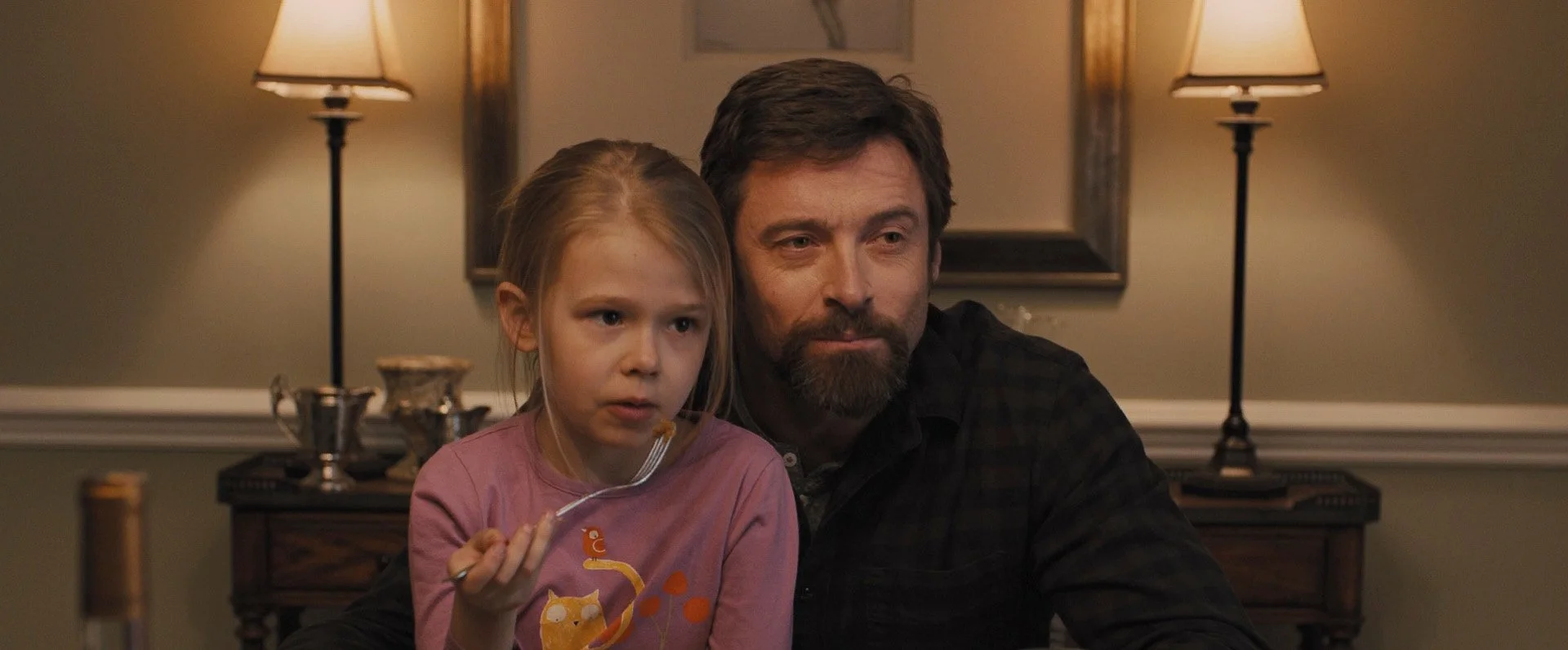
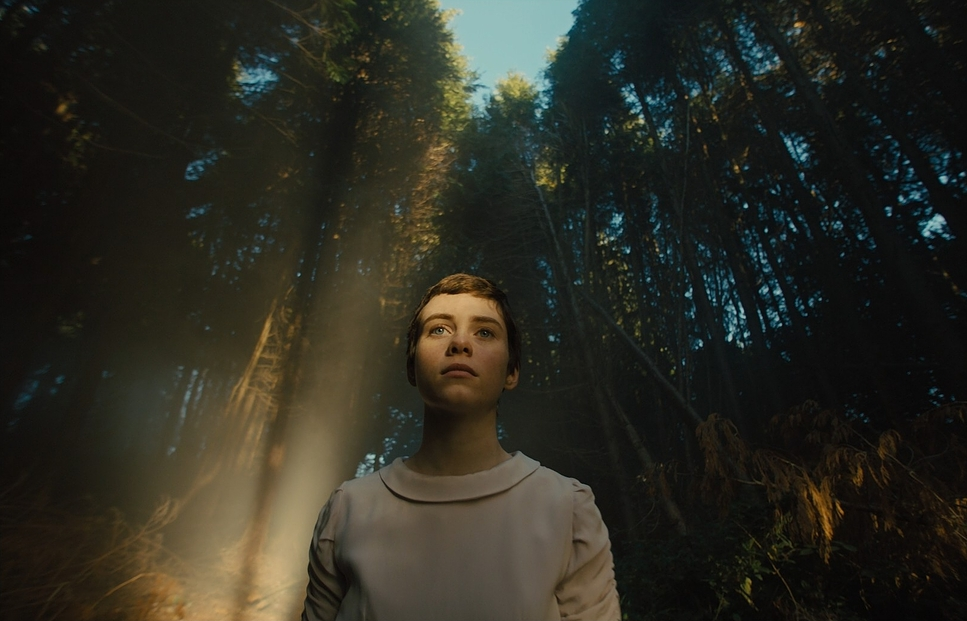
Maya’s world is captured with a warm, comforting glow, a visual sanctuary that feels safe yet tantalizingly out of reach, reflecting Holden’s desperate grasp on fleeting memories. The cinematography employs long lenses to create a soft, intimate depth, pulling her into a hazy focus against blurred backgrounds. Each frame is soaked with a tender nostalgia. Locked off shots anchor these scenes, their stillness mirroring Holden’s attempt to freeze time, the steady camera a silent witness to the joy he clings to, making every glance at her a stark reminder of what’s lost.
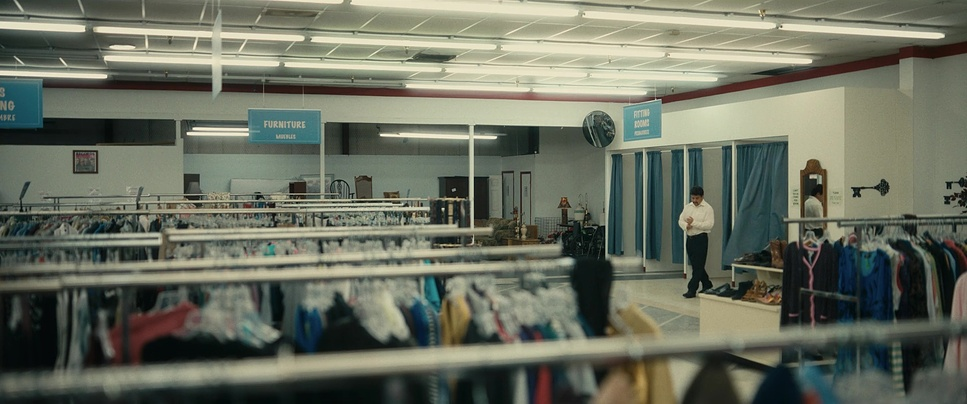
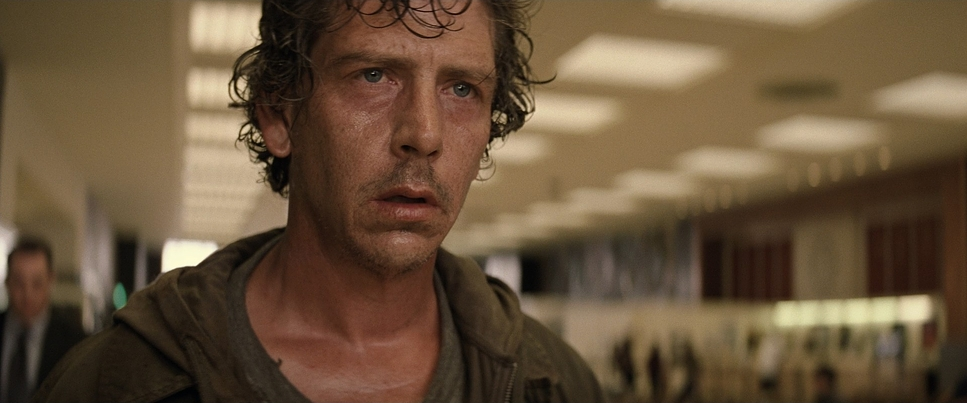
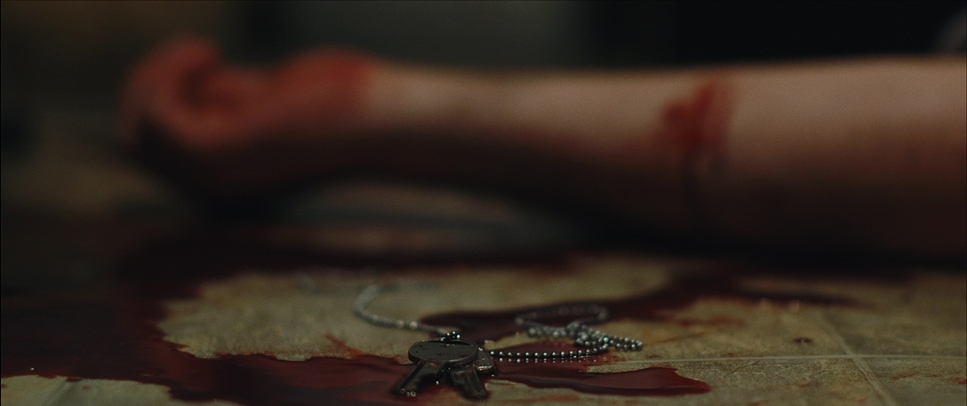

Visual Language - Desolation
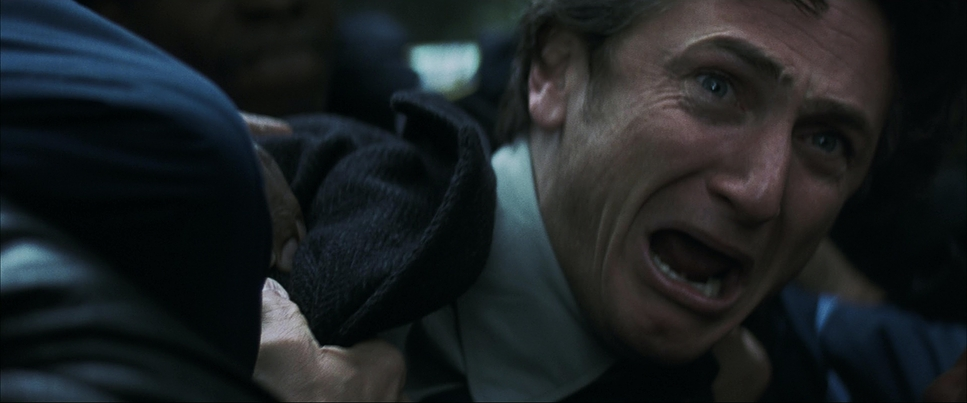
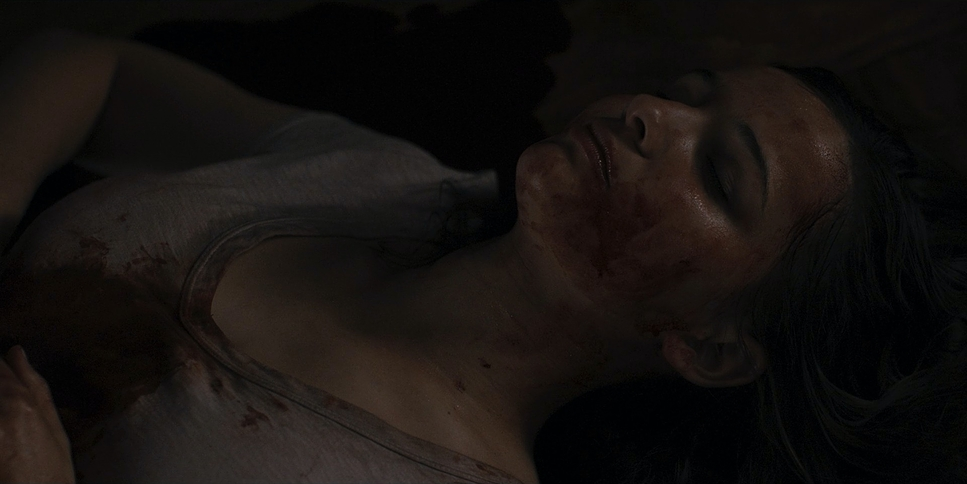
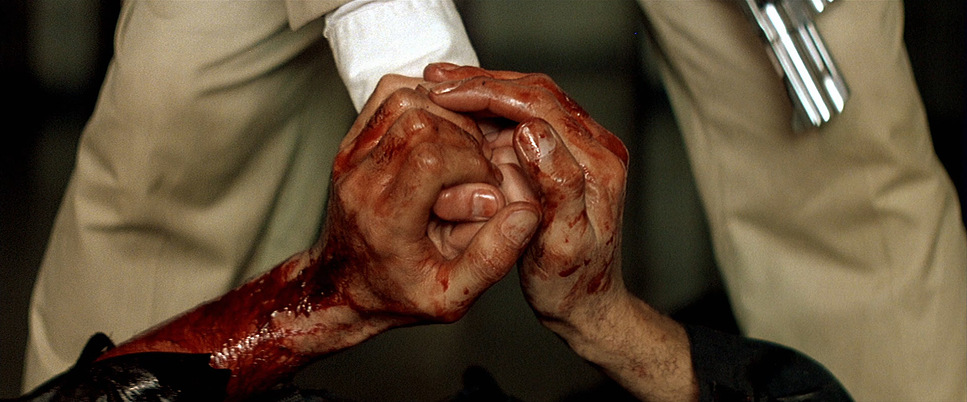
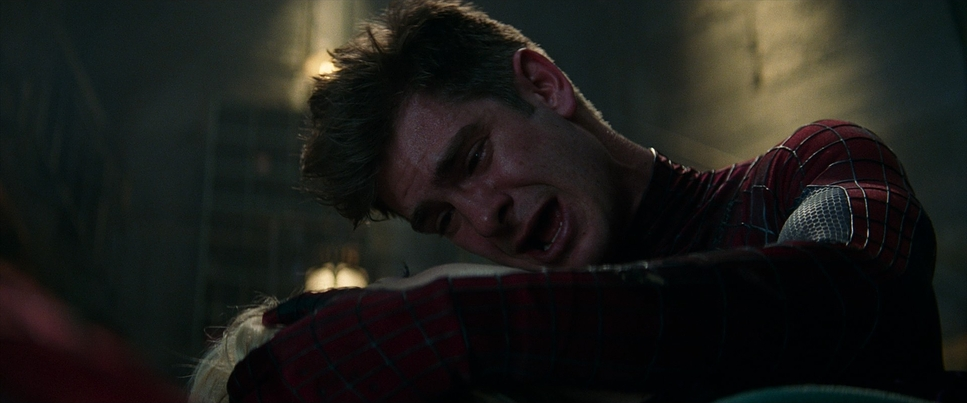
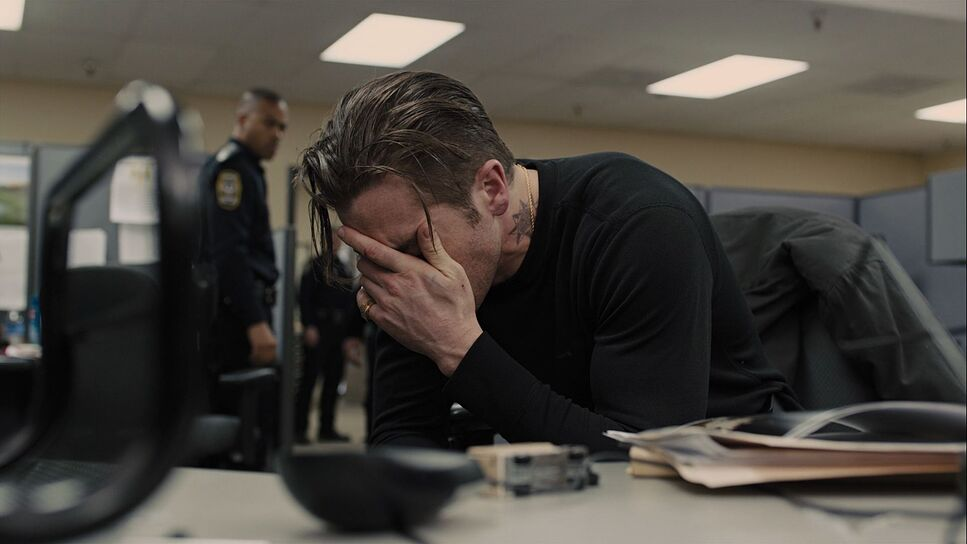
The scenes of Maya’s death are handled with deliberate restraint, channeling the horror through suggestion rather than spectacle. The focus remains on Holden’s anguished face; his wide, disbelieving eyes, the tremble in his jaw, as he processes the unfolding nightmare. This allows the audience to imagine the violence in the spaces between his reactions. Quick, shaky handheld shots from his perspective mirror his panic. This ensures the terror is felt deeply without ever showing the shooter or the act itself. This approach avoids glorification or gratuitous detail, grounding the weight of loss in Holden’s raw, horrific experience, where the unseen becomes the most haunting image of all.
Visual Language - Isolation
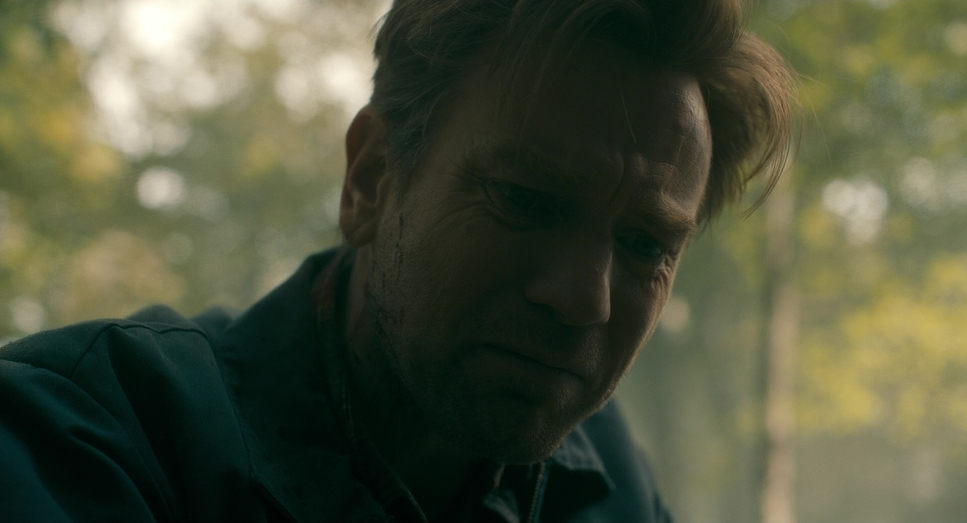
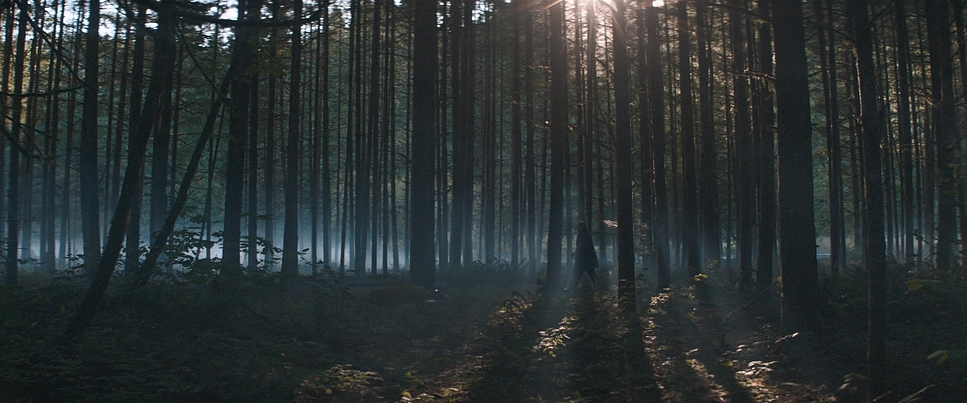
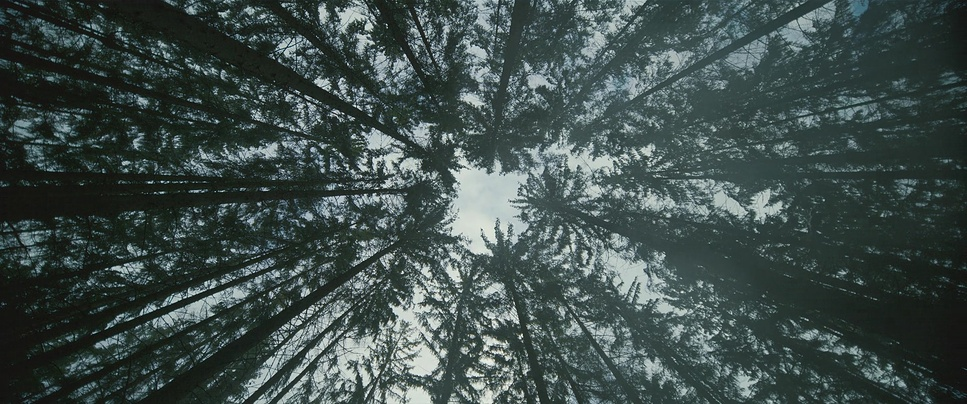
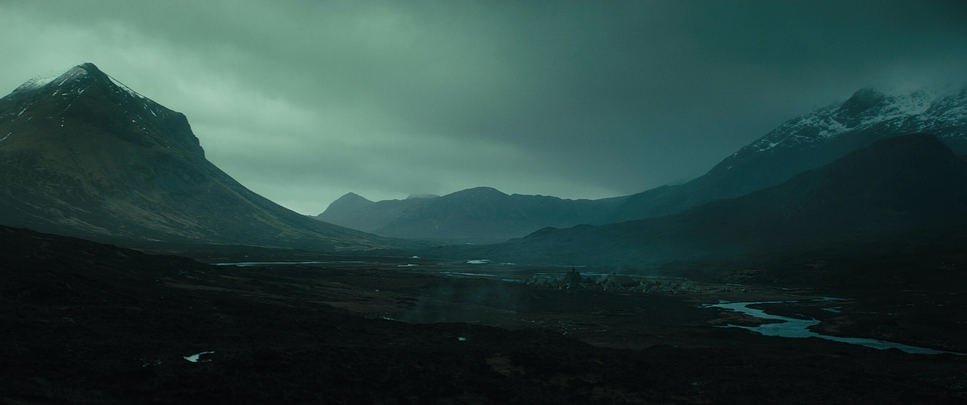
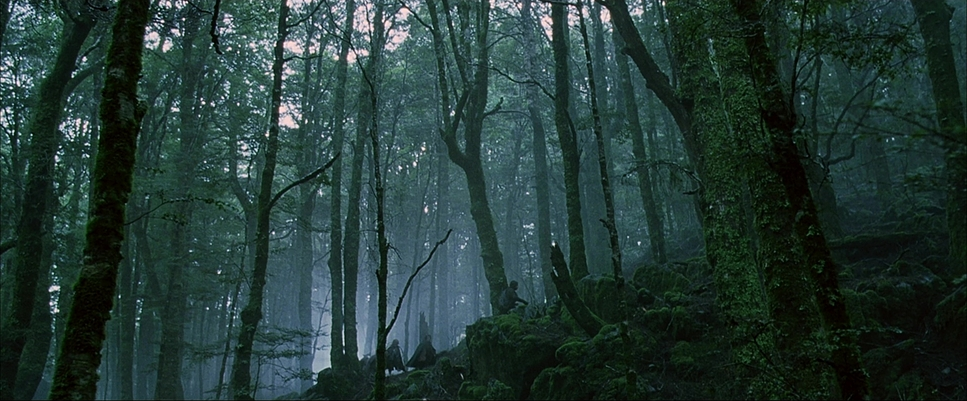
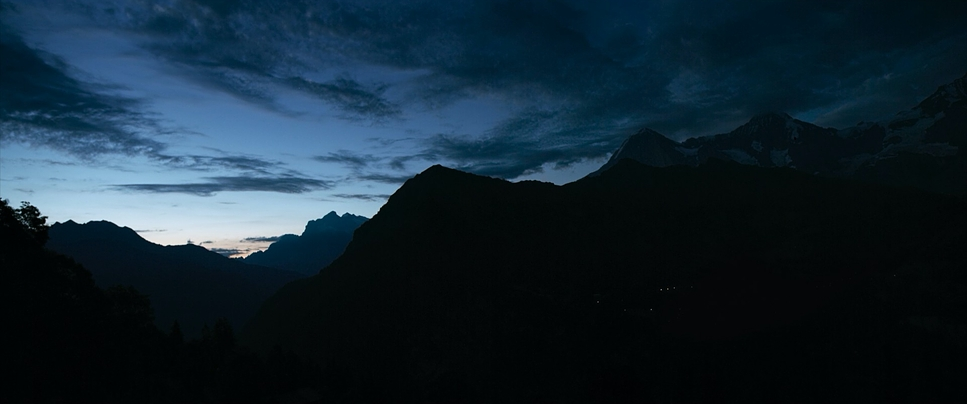
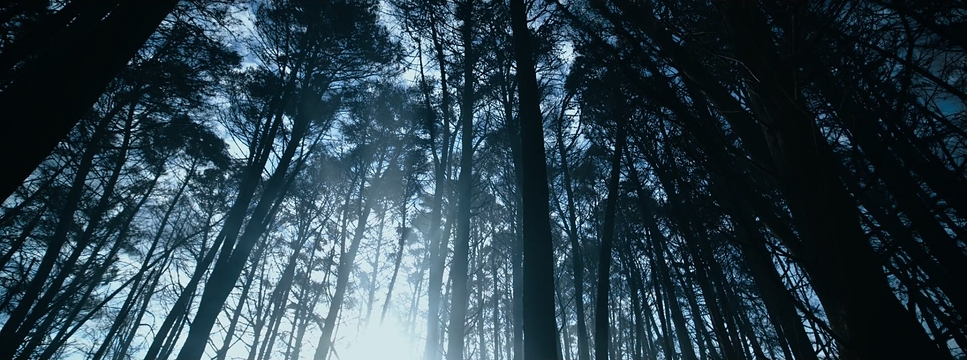
Holden’s scenes on the mountain unfold with a stark contrast to the warm stable environment of his memories. These scenes are captured through wide, handheld shots that mirror the turmoil of his mental headspace, the camera’s constant motion weaving around him to echo his unease. The vast, indifferent expanse of nature looms in the background. It is a calm, silent counterpoint to his inner chaos as he wrestles with guilt and the weight of his choice, the shaky frame amplifying his wavering resolve. It isn’t until he decides to endure that the cinematography shifts back to steady shots, long lenses, the stillness returning as he finds balance, the lens softening to reflect a fragile peace settling over his broken spirit.
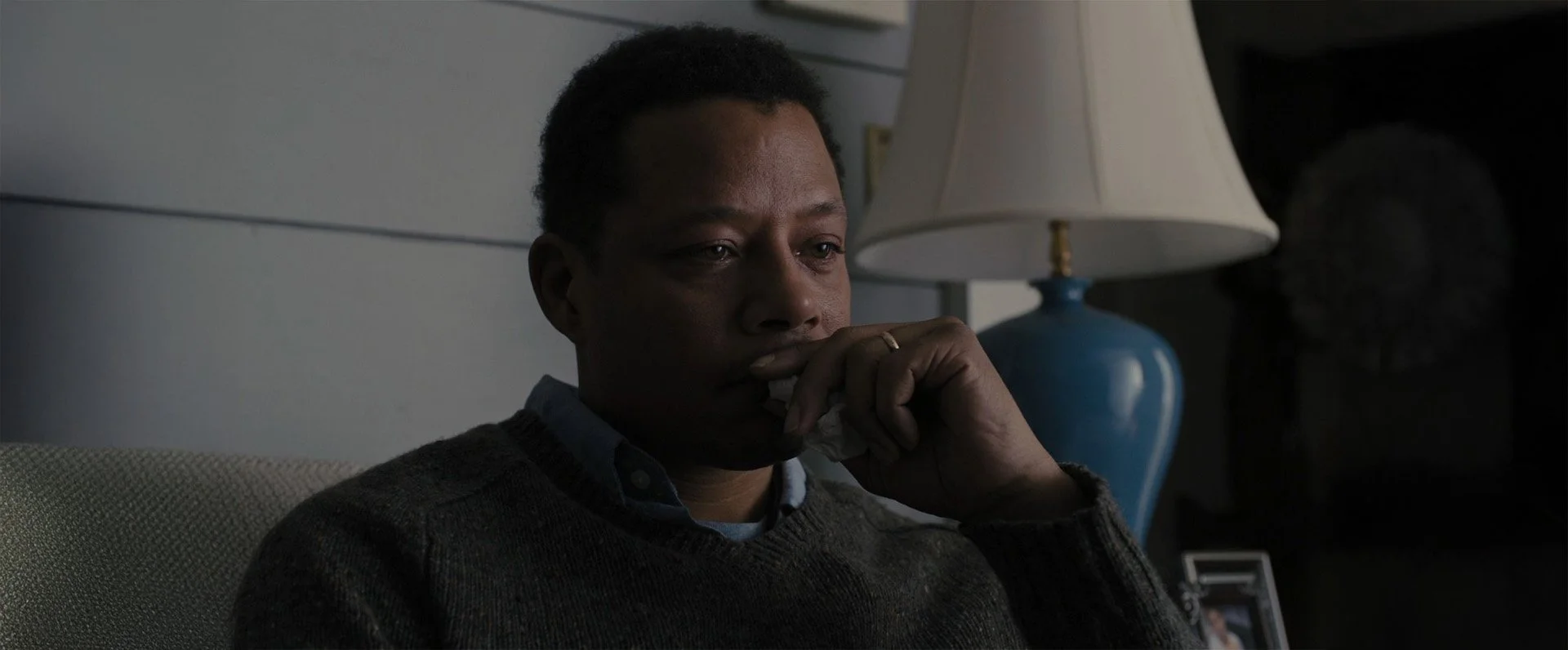
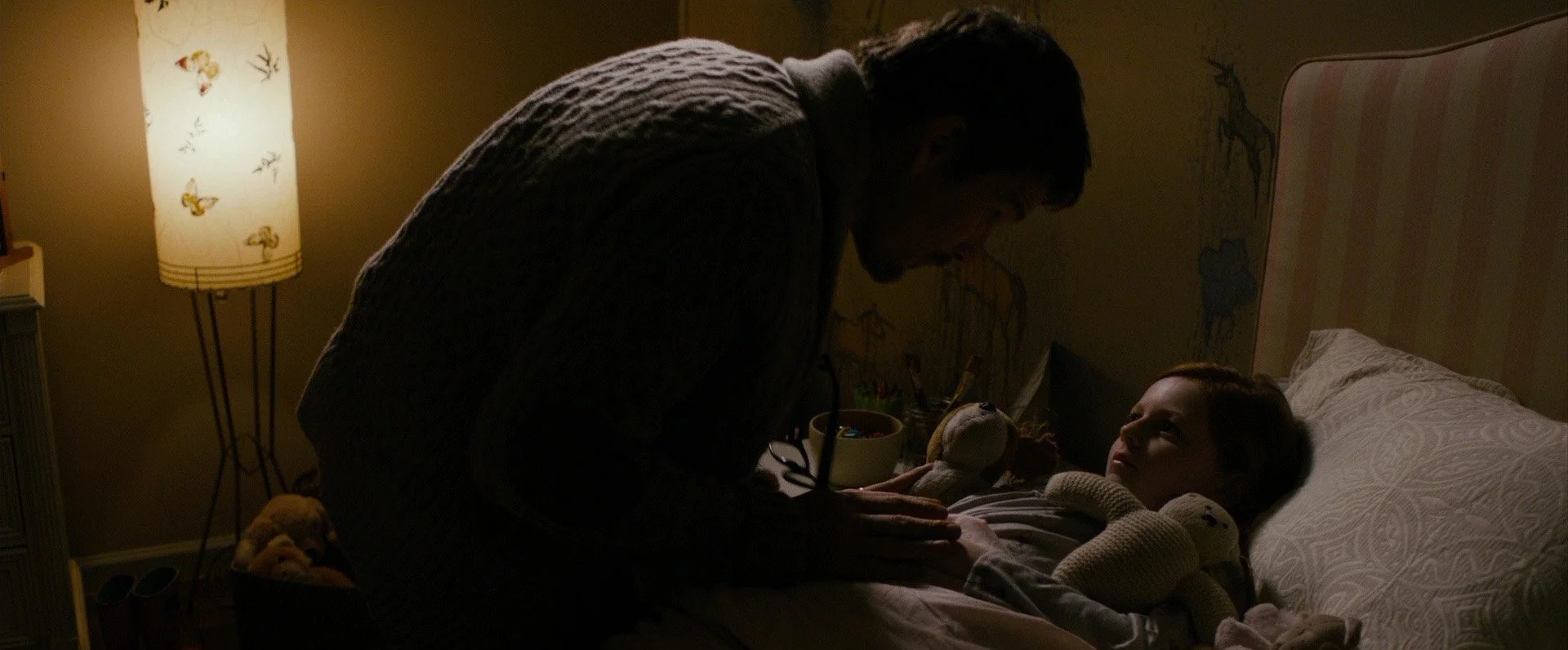
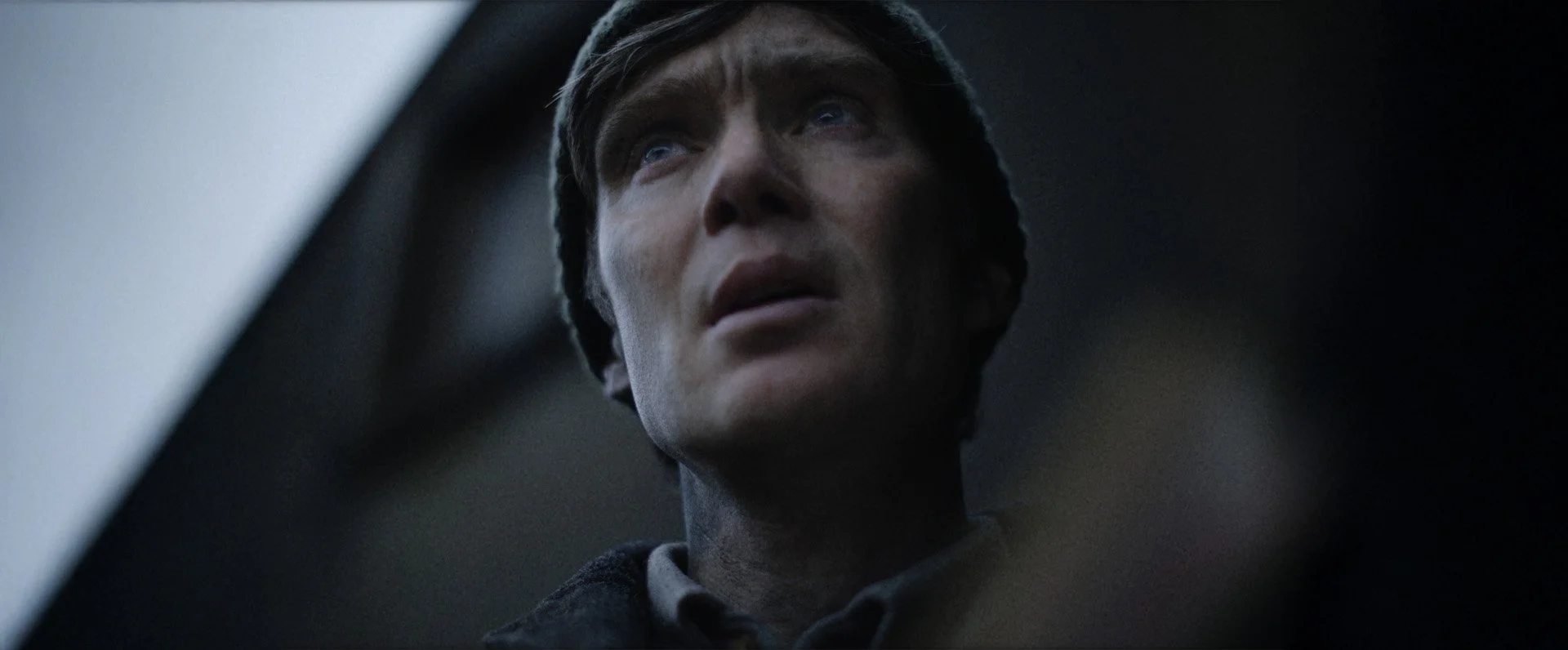
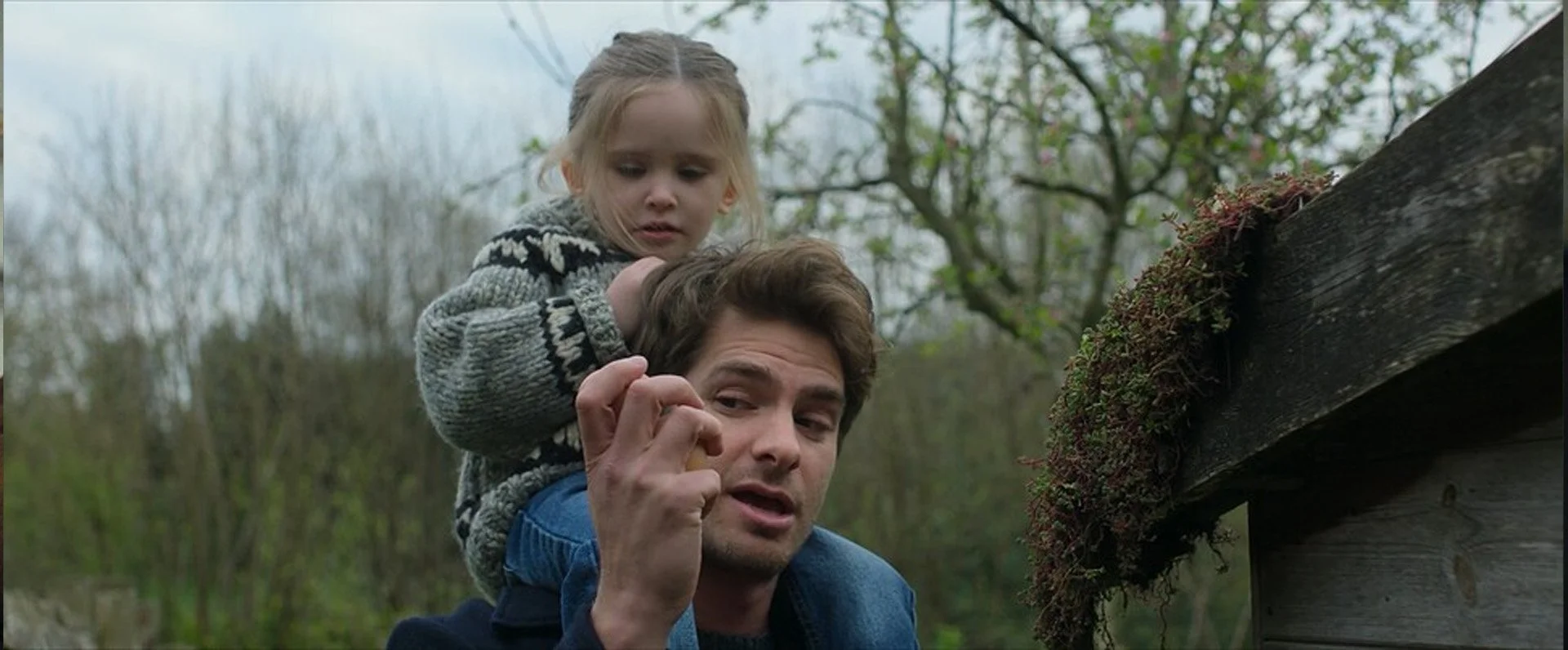
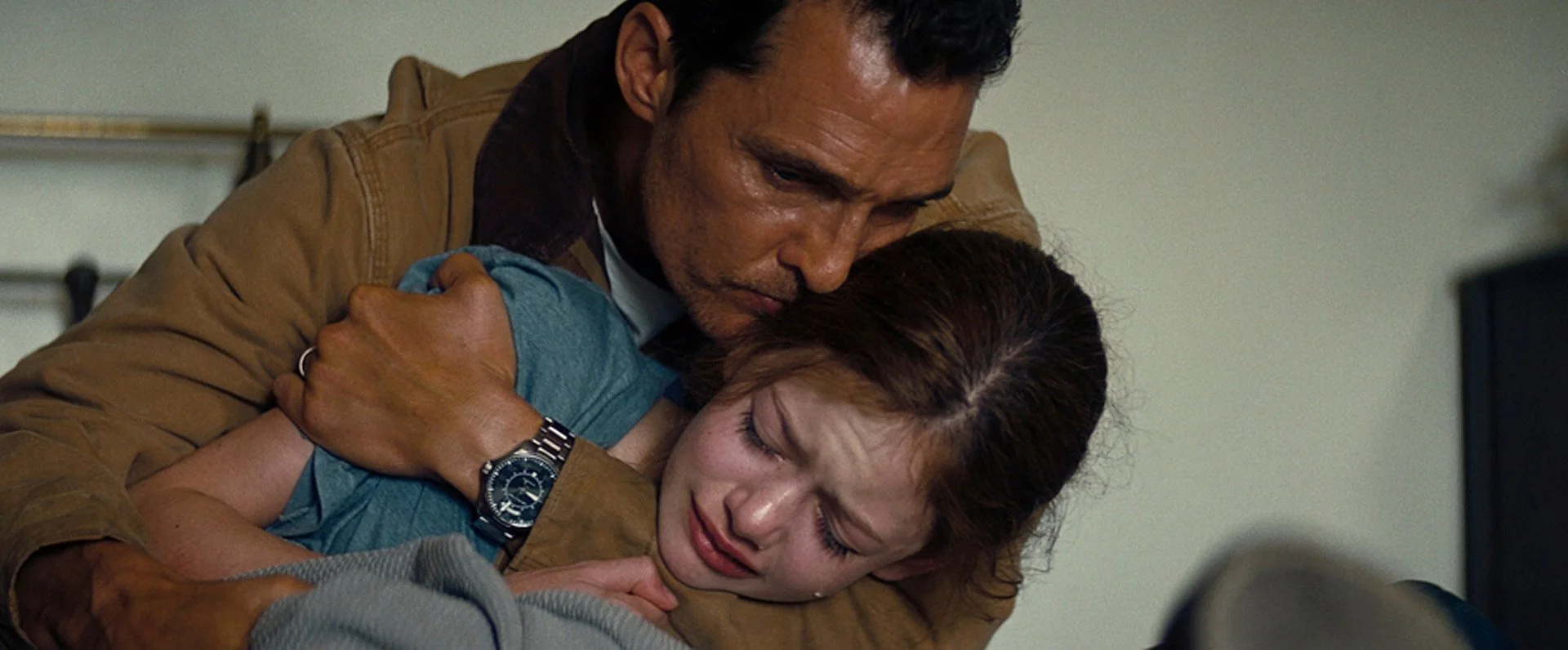
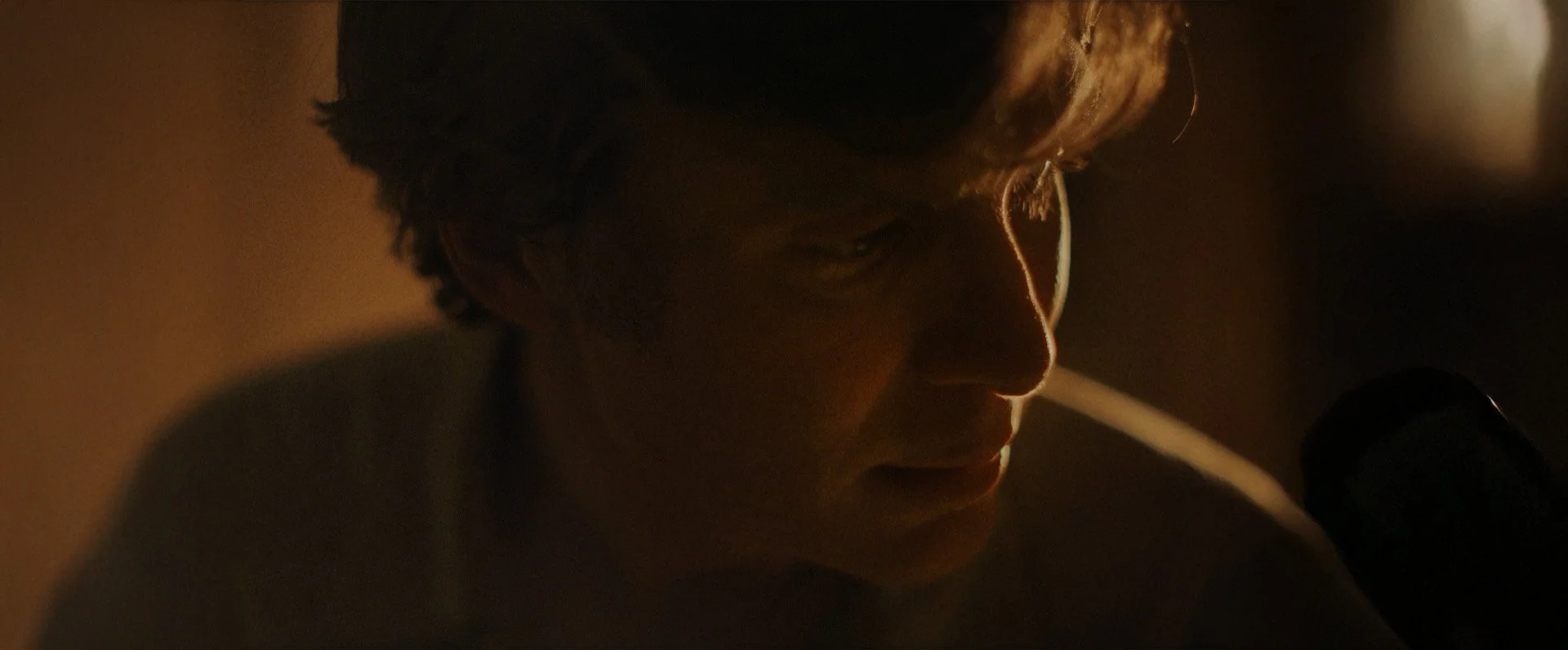
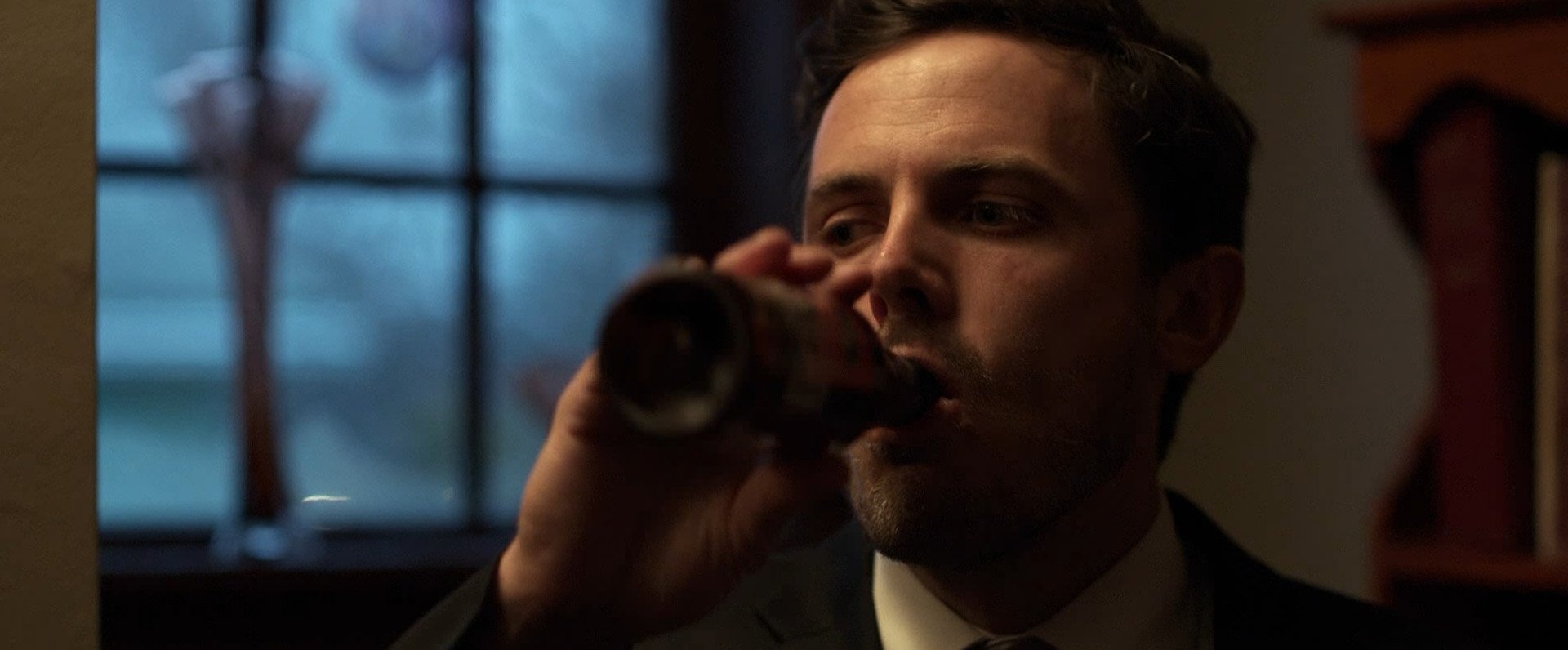
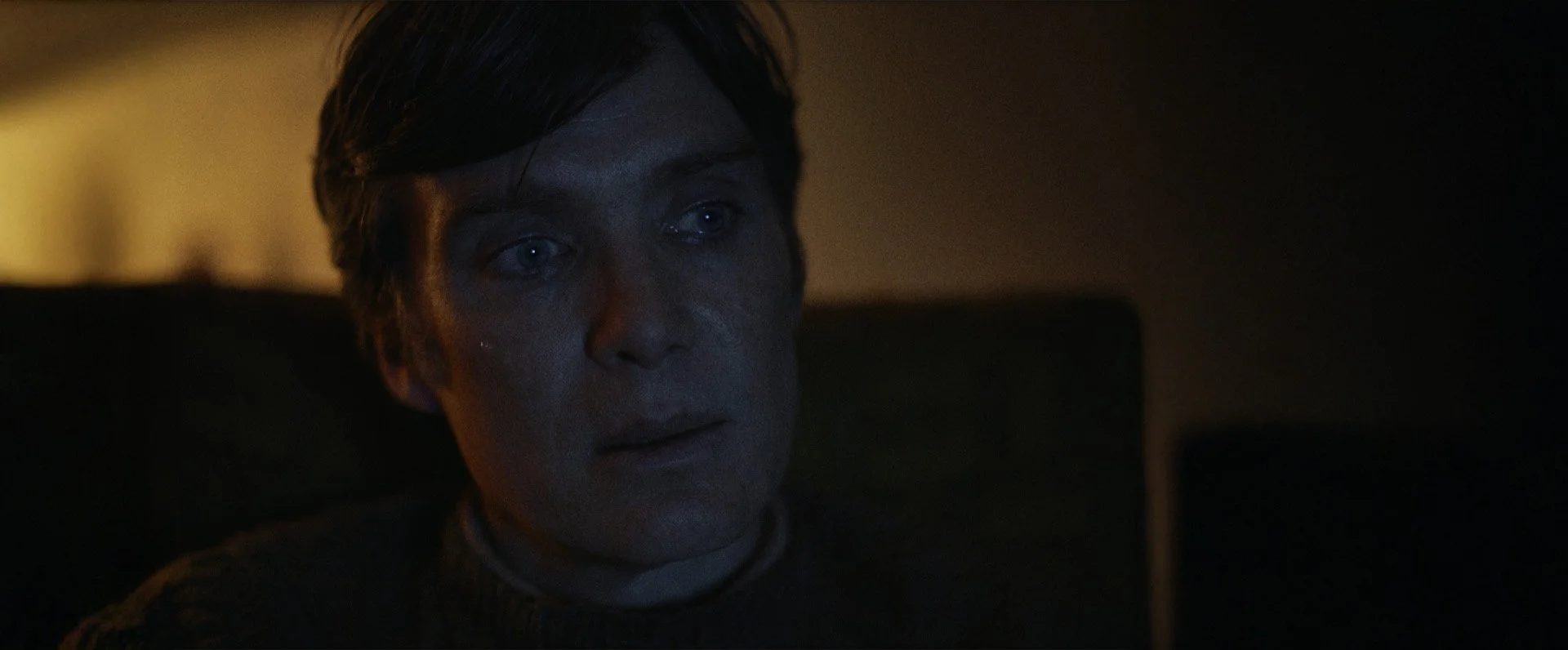
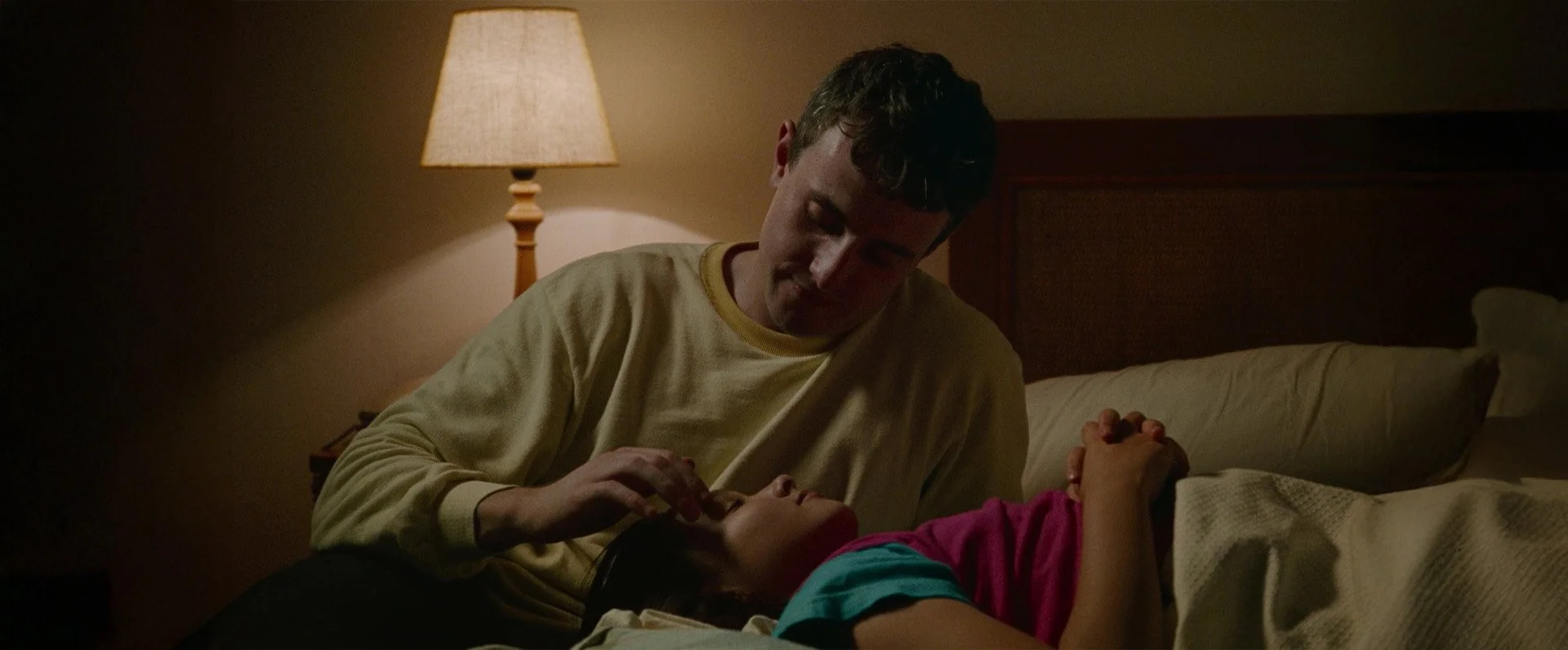
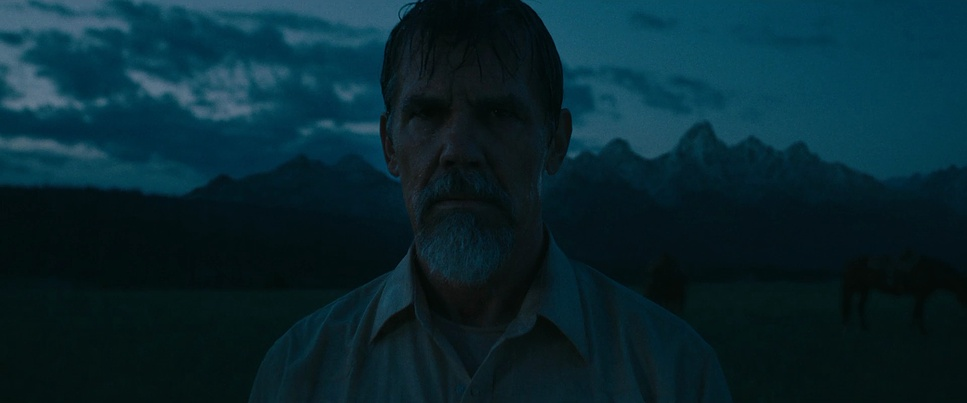
Holden is a man unraveling beneath the surface. He’s not outwardly expressive, he holds everything in. Every glance, pause, and breath is loaded with the pain he refuses to speak aloud. The role demands a performance rooted in restraint and rawness, where silence says more than dialogue and grief lives in the smallest gestures. Holden is not a hero, not a villain, just a broken man trying to survive one more day.
Leading Role - Holden
Holden is a man shaped by love and broken by loss. As a father, he was gentle, attentive, and full of warmth. After her death, that softness hardens into silence. He becomes distant, heavy, and slow. Not because he stopped feeling, but because he can’t bear to. The contrast between who he was and who he’s become lives in every quiet moment, every glance away, every unfinished sentence. This role demands subtlety, restraint, and a deep emotional core.
Supporting Role - Maya
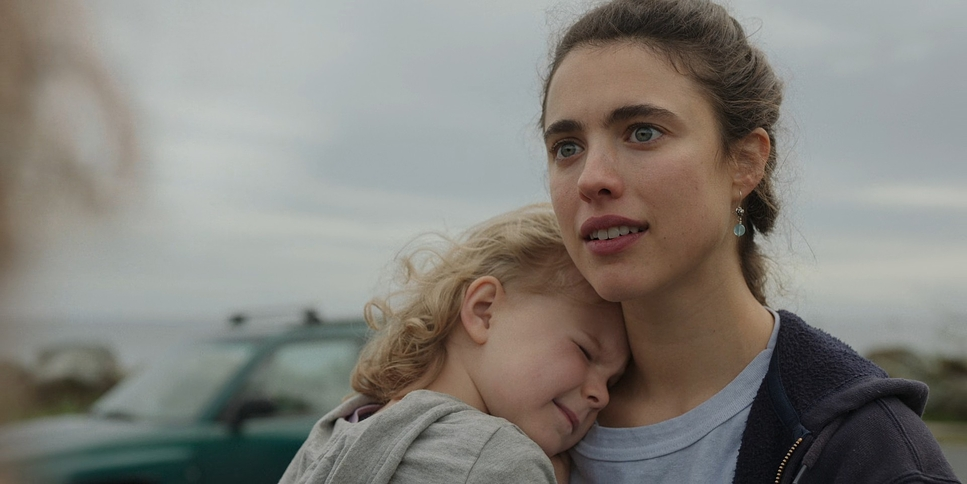
Maya is full of life in the way only a child can be. She hums to herself, makes games out of nothing, and sees the world with fearless curiosity. Her presence is light, warm, and constant, the kind of energy that fills a room without trying. She’s playful, stubborn, and deeply connected to her parents, especially Holden, who she mirrors in quiet ways. Even in memory, she feels vivid and real, like she’s still just around the corner. The role needs a child who feels natural on camera; unforced, expressive, and grounded.
Supporting Role - Amy
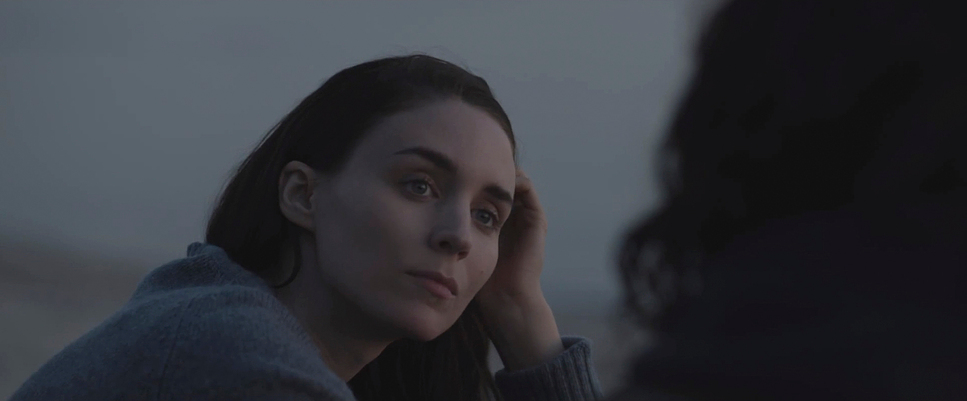
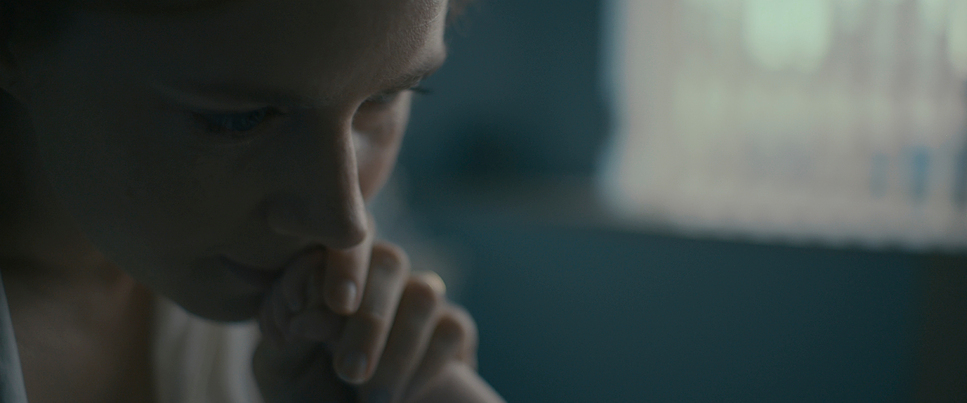
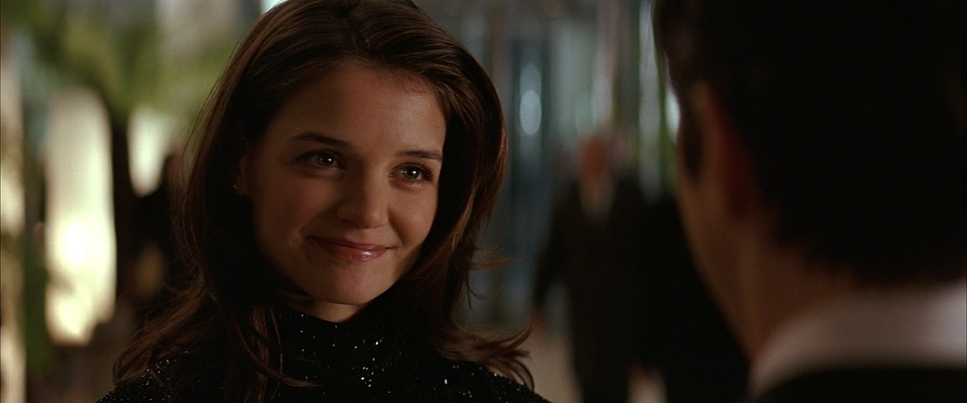
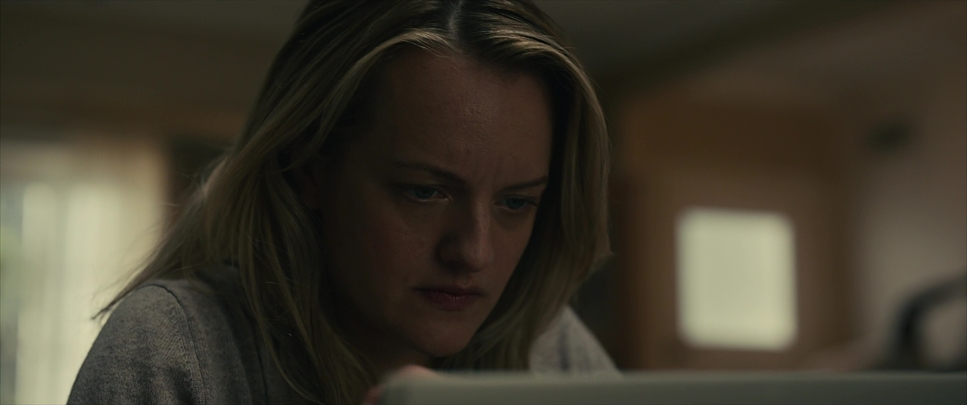
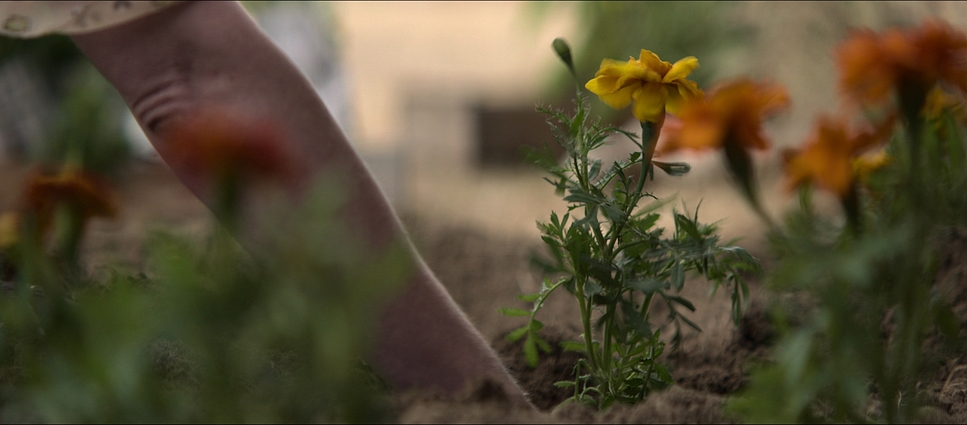
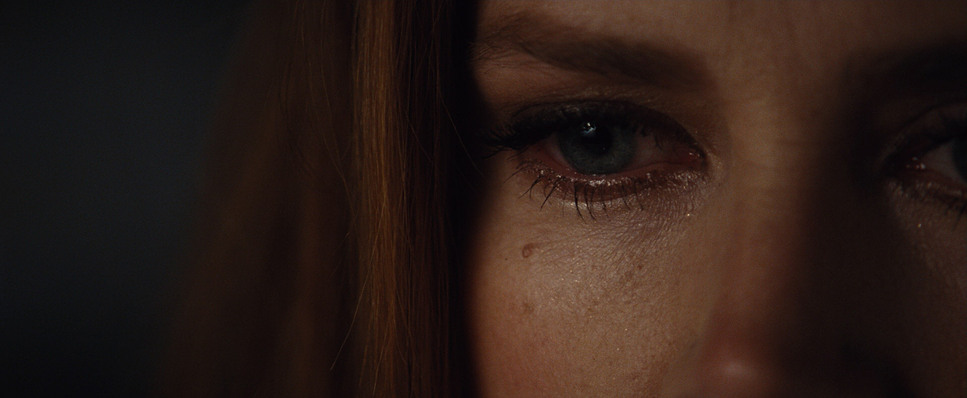
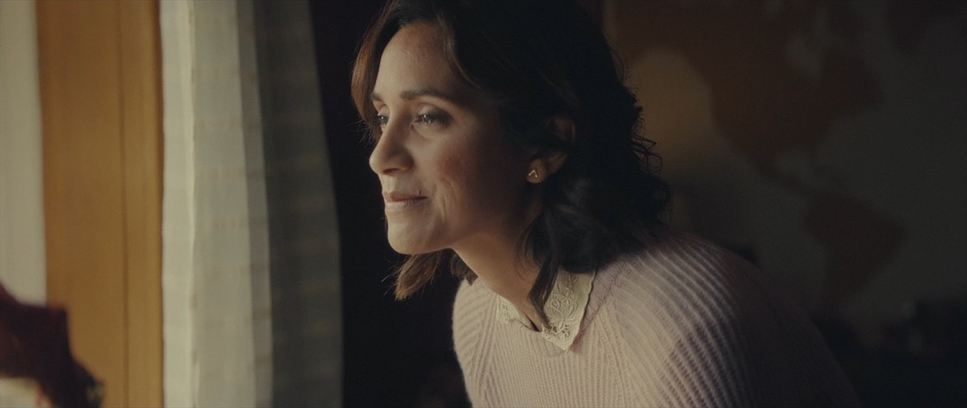
Amy is a steady emotional counterweight to Holden’s grief. Her resilience emerges through quiet strength and practical care. She tends to the garden, completes therapy worksheets, and keeps moving forward with gentle determination. She serves as an anchor amid the storm. Her grief is no less profound, but she channels it into action rather than retreat, offering a contrast to Holden’s hardening silence. The role calls for an actress who can embody subtle depth, conveying love and sorrow through understated gestures, like a lingering touch or a forced smile, making her a beacon of hope that contrasts sharply with Holden’s heavy, inward collapse.